
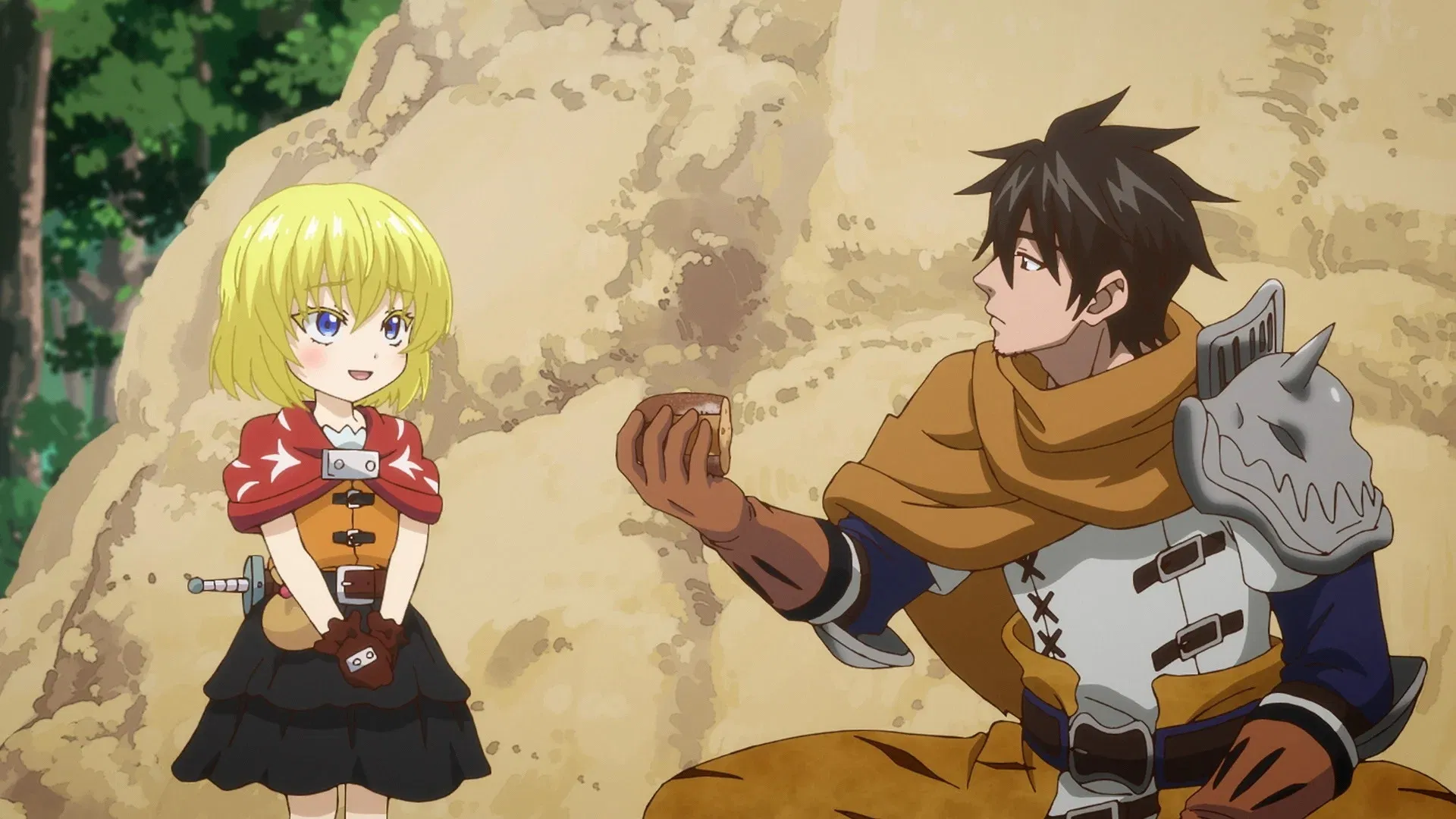
Turning twenty-nine is an awkward milestone for an adventurer. You are no longer young enough to rely on reckless courage, yet not old enough to retire with dignity or legend. An Adventurer’s Daily Grind at Age 29 explores this liminal space with quiet honesty, presenting a grounded fantasy narrative that replaces heroic destiny with routine, exhaustion, and pragmatic survival. Instead of epic prophecies, the story focuses on work—consistent, unglamorous work—and the slow realization that adventure, much like adulthood, is less about glory and more about endurance.
At its heart, the story reframes the fantasy adventurer not as a chosen hero, but as a working adult navigating a dangerous gig economy. Monsters are not vanquished for honor alone, but for rent, equipment maintenance, guild fees, and the hope of financial stability. By centering the narrative on a 29-year-old protagonist, the story immediately sets a different tone: this is someone who has seen enough battles to know their limits, and enough failure to fear stagnation more than death.
Age plays a crucial thematic role. At twenty-nine, the protagonist is surrounded by younger adventurers bursting with ambition and older veterans who have either settled down or broken down. This in-between status creates a persistent sense of unease. The body no longer recovers as quickly. Injuries linger. Mistakes feel more costly. Every dungeon run is weighed against long-term consequences, not just immediate rewards. The fantasy setting amplifies a very real, modern anxiety: the fear of falling behind while having no clear alternative path forward.
The “daily grind” in the title is not metaphorical. The narrative spends significant time on preparation, repetition, and routine. Sharpening weapons, negotiating contracts, rationing supplies, and choosing which quests are worth the risk all become central elements of the story. These details strip away the romanticism of adventuring and replace it with something far more relatable—work as a series of calculated decisions made under uncertainty. Success is incremental, often invisible, and rarely celebrated.
What makes the story compelling is its refusal to mock this mundanity. Instead, it treats routine as a form of quiet heroism. Showing up to the guild hall despite exhaustion, taking a low-paying quest because it is safer, or mentoring a reckless rookie are framed as meaningful choices. The protagonist’s strength lies not in overwhelming power, but in consistency and judgment. This perspective challenges the genre’s obsession with exponential growth and reminds the audience that survival itself is an achievement.
Characterization is deeply tied to lived experience. The protagonist is neither cynical nor idealistic, but tired in a specific, honest way. There is pride in competence, frustration in limitations, and a lingering question about whether this life can—or should—continue indefinitely. Internal monologues often revolve around cost-benefit analysis rather than destiny, reinforcing the idea that adulthood is defined by trade-offs rather than clear victories.
Supporting characters further enrich this theme. Younger adventurers embody untested optimism, often misunderstanding caution as weakness. Older ones serve as mirrors of possible futures—some stable, some broken, some quietly content. Guild staff, shopkeepers, and healers form a social ecosystem that emphasizes interdependence over individual heroics. The world feels lived-in not because of grand lore, but because of shared routines and repeated interactions.
Visually and tonally, An Adventurer’s Daily Grind at Age 29 favors restraint. Action scenes are brief and purposeful, often interrupted by consequences rather than applause. Injuries matter. Resources deplete. Victories are followed by paperwork, repairs, and recovery time. This pacing reinforces the narrative’s central argument: adventure is not a highlight reel, but a sustained effort over time.
One of the story’s most resonant themes is the redefinition of success. Instead of legendary achievements, success becomes stability—steady income, reliable companions, and the ability to choose tomorrow’s work. This reframing speaks directly to a generation raised on aspirational fantasies who now face economic and physical limits. The fantasy world becomes a mirror, not an escape.
Yet the story is not bleak. There is warmth in small victories: completing a job without injury, sharing a meal after a long day, or realizing that experience has value even without fame. The protagonist’s growth is subtle but meaningful, marked by improved judgment and emotional resilience rather than raw power. The narrative suggests that maturity is not the death of adventure, but its transformation.
Ultimately, An Adventurer’s Daily Grind at Age 29 is a story about persistence. It acknowledges the erosion of youthful dreams without dismissing their worth. By focusing on routine, responsibility, and realism, it offers a refreshing take on fantasy—one where the true challenge is not slaying a dragon, but deciding to keep going the next day. In doing so, it captures a universal truth: adulthood, like adventuring, is less about becoming extraordinary, and more about surviving with intention.